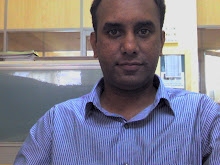
With Pakistan facing immense pressure to act against the perpetrators of the Mumbai attacks, former President Musharraf has asked the world to "sympathise" with the country which is a "victim of circumstances," instead of blaming it for terrorism.
"We have been a victim of terrorism, we have been a victim of circumstances over the last three decades for which a certain atmosphere has been created," said the former military ruler during whose tenure Pakistan became a key ally in the US-led war on terror.
Musharraf said Pakistan had contributed a lot to the war against terror and the world should appreciate its contribution rather than blaming it all the time.
"The world should see our problems and what we have faced. We have contributed so much towards anti-terrorism war and the world should really appreciate that and sympathise with us, instead of blaming us," he said.
International pressure is mounting on Islamabad to take "effective" action after the Mumbai terror attacks, believed to have been carried out by Pakistan-based elements.
The former President, who had to concede power to democratic parties after elections in the country early this year, said it was "unfortunate" that fingers are pointed at Pakistan "very often" and advocated that Islamabad take a strong stand against this.
"Pakistan is unfortunately blamed very often and we should take a strong stand on this. Pakistan is not responsible for terrorism anywhere in the world," he told ARY Television.
His comments came against the backdrop of US Secretary of State Condoleezza Rice telling the leadership here that there is "irrefutable evidence" of involvement of elements in Pakistan in the Mumbai attacks and it had no option but to act urgently "otherwise, the US will act."
Saturday, December 6, 2008

Tuesday, December 2, 2008
RAW intercepted satellite talks, had warned Govt on Nov 26: Report
Top government officials were Tuesday at a loss to explain why they did not react to information purported to have been given by the Research and Analysis Wing (RAW), India's external intelligence agency, pinpointing the time frame, route and the Mumbai locations that would be attacked by the Lashkar-e-Taiba (LeT).
At least on four occasions and even on Nov 26, the day that 10 militants laid siege on high-profile targets, including the Oberoi Trident and the Taj hotels, RAW had tipped off the authorities of the impending attack by sea and even given information of the time, according to a media report.
We warned govt, says RAW official
"Yes, we gave the information as we had been intercepting these satellite phone conversations for a while. But don't ask me why it was not acted upon," said a senior RAW official who because of service rules cannot be named.
The Hindustan Times newspaper front-paged a report Tuesday that on Sep 18, Sep 24, Nov 19 and Nov 26, RAW had intercepted conversations between a LeT asset and an unknown person that an operation to target hotels was being planned and the sea route would be used.
"On November 19, RAW listeners picked up another unexplained satellite phone conversation. A voice said, 'We will reach Bombay between nine and eleven.' RAW trackers identified the exact coordinates of the call and discovered that it came from the sea near Mumbai, 40 km west of Jhol," said the newspaper report.
Why RAW inputs were not acted upon?
According to RAW officials, the information was relayed to a centralised intelligence group set up by the National Security Advisor M.K. Narayanan.
Officials in the Intelligence Bureau, the home ministry and the intelligence wing refused to comment on why the RAW inputs were not acted upon.
The government spokesperson was not available for comment. At least 183 people, including 22 foreigners, were killed when a group of terrorists, allegedly from Pakistan, sneaked into Mumbai last week and struck at several prominent sites, including two luxury hotels.
At least on four occasions and even on Nov 26, the day that 10 militants laid siege on high-profile targets, including the Oberoi Trident and the Taj hotels, RAW had tipped off the authorities of the impending attack by sea and even given information of the time, according to a media report.
We warned govt, says RAW official
"Yes, we gave the information as we had been intercepting these satellite phone conversations for a while. But don't ask me why it was not acted upon," said a senior RAW official who because of service rules cannot be named.
The Hindustan Times newspaper front-paged a report Tuesday that on Sep 18, Sep 24, Nov 19 and Nov 26, RAW had intercepted conversations between a LeT asset and an unknown person that an operation to target hotels was being planned and the sea route would be used.
"On November 19, RAW listeners picked up another unexplained satellite phone conversation. A voice said, 'We will reach Bombay between nine and eleven.' RAW trackers identified the exact coordinates of the call and discovered that it came from the sea near Mumbai, 40 km west of Jhol," said the newspaper report.
Why RAW inputs were not acted upon?
According to RAW officials, the information was relayed to a centralised intelligence group set up by the National Security Advisor M.K. Narayanan.
Officials in the Intelligence Bureau, the home ministry and the intelligence wing refused to comment on why the RAW inputs were not acted upon.
The government spokesperson was not available for comment. At least 183 people, including 22 foreigners, were killed when a group of terrorists, allegedly from Pakistan, sneaked into Mumbai last week and struck at several prominent sites, including two luxury hotels.
Saturday, November 29, 2008
Take tough action against terror: India Inc
Mumbai: India Inc today exuded confidence that business will be back to normal from Monday and heaved a sigh of relief as the 60-hour terror horror got over this morning.While urging Prime Minister Manmohan Singh for tougher laws against terrorism so that dastardly acts witnessed in the financial capital since Wednesday are not repeated elsewhere in India, apex industry chambers said the economy will recover fast from the blow.
"Even yesterday stock market in the midst of the battle showed some resilience, this is an indication as to how India and its people take these dastardly activities of terrorists in their stride. We expect that by Monday the regular financial parameters and fundamentals will come back into play," FICCI Secretary General Amit Mitra told PTI.
Mitra, however, reminded the Prime Minister to keep his words for tough action against terrorism."We expect that the commitments made by the Prime Minister of tougher laws against terrorists and centralised single agency for dealing with such situations will come into force sooner or later," he said.
Singh, on Thursday, had stated that "strongest possible measures" would be taken to deal with terrorists and their supporters.
Expressing confidence that the attack would not have any long lasting impact on foreign investments in India, Mitra said: "India is a natural destination for potential investors in the future. $25 billion have come as FDI, we expect the flow to continue even if slightly muted, given the global circumstances."Assocham Secretary General DS Rawat also expressed confidence that India would recover fast from the blow although it could face a temporary setback.
"Even yesterday stock market in the midst of the battle showed some resilience, this is an indication as to how India and its people take these dastardly activities of terrorists in their stride. We expect that by Monday the regular financial parameters and fundamentals will come back into play," FICCI Secretary General Amit Mitra told PTI.
Mitra, however, reminded the Prime Minister to keep his words for tough action against terrorism."We expect that the commitments made by the Prime Minister of tougher laws against terrorists and centralised single agency for dealing with such situations will come into force sooner or later," he said.
Singh, on Thursday, had stated that "strongest possible measures" would be taken to deal with terrorists and their supporters.
Expressing confidence that the attack would not have any long lasting impact on foreign investments in India, Mitra said: "India is a natural destination for potential investors in the future. $25 billion have come as FDI, we expect the flow to continue even if slightly muted, given the global circumstances."Assocham Secretary General DS Rawat also expressed confidence that India would recover fast from the blow although it could face a temporary setback.
Thursday, November 27, 2008
Final operation on at Taj hotel, hostages rescued
 MUMBAI: Security forces have launched a final operation to flush out terrorists from Taj hotel. According to sources, seven terrorists have been
An employee of Taj Hotel comforts foreign guests in Mumbai following terror strikes. Gunshots and explosions have been heard from inside the old building of Taj, according to sources. A little earlier, Maharashtra police chief A N Roy said all hostages at Taj hotel here have been rescued, but there could be some still trapped at Trident hotel and Nariman House where operations were on to flush out terrorists, said today, ruling out any negotiations with the ultras.
All people trapped in Taj Hotel in Mumbai rescued. No hostage-like situation there right now, said Director General of Police (DGP) A N Roy. "There are still guests in the rooms, but we won't be able to give you a number," he said.
More bodies have been found inside the hotel, reports suggest.
Four suicide bombers have reportedly been killed in the Taj hotel.
Giving details of the terror attacks which began last night, Roy said terrorists struck in quick succession and in all there was shooting in 12 places.
The Director General of Police made it clear that there would be no negotiations with the terrorists, and "we will very soon get them either alive or dead"
So far five terrorists and 14 police personnel, including officers, have been killed in the operations, Roy said, adding the attacks were "well-planned and executed and unprecedented".
At the moment, the police chief said he could not say which terror outfit is responsible for the attack.
"Our priority now is to take it to logical conclusion by nabbing the terrorists and rescuing the hostages and people trapped in the three areas where the operations are on," he said.
The entire action has now been taken over by NSG personnel who were flown from Delhi and they were being assisted by naval commandos and Maharashtra Police.
At Taj Hotel, systematical floor-to-floor cleaning up is being carried out, Roy said.
"It was very sad that we have lost ATS Chief Hemant Karkare who was a very close friend. We have lost 14 of our personnel in fighting the terrorists and we will carry on our fight," he said
Taj Mahal Palace and Tower Hotels, where security operations against terrorists are still on, has set up a helpline for its guests. Assuring to work towards speedy normalisation of operations, the hotel said, "We will rebuild every inch that has been damaged in this attack and bring back the Taj to its full glory."
It said it is working towards safety and security of its guests and staff. Its helpline numbers are 022-66574322, 022-66574372 and 1800111825.
Security forces had launched an assault to flush out terrorists from two luxury hotels - Taj and Trident (Oberoi) - where a couple of 100 people were believed to be either held hostage or trapped in the most audacious terror attacks that have claimed over 100 lives and left over 300 injured in India's financial capital Mumbai.
Earlier in the day, a senior army officer said at least four terrorists are holed up in the Taj Hotel where 40 to 50 guests were still trapped.
"In this area there are four to five terrorists," Major R K Hooda, General Officer Commanding of Maharashtra, Goa and Gujarat said. There are an estimated 40 to 50 guests still trapped in the hotel, he said.
There can be 10 to 12 terrorists involved in the terror attack at a hotel in Mumbai, Maharashtra Deputy Chief Minister R R Patil said today. Five of them have been killed and one of them arrested, he told reporters outside the hotel as security forces prepared to launch an assault to end the terror.
Patil said he was not sure about the exact number of hostages in the hotel where commandos of NSG and Mumbai Police were involved in the operation.
He said they have not received any demands from militants and hoped that a breakthrough will be achieved soon. Patil said the operation was delicate in view of the safety of the hostages. He claimed police have got some leads but declined to elaborate.
Meanwhile, two bodies have been brought out of terror-struck Taj Hotel in Mumbai and taken away in an ambulance.
Fresh firing has also been reported at Oberoi and Army has entered the hotel to flush out the terrorists.
"At least six foreigners have been killed and the death figure has gone up to 101 now," Ramesh Tayde, a senior police officer said from Mumbai's control room earlier today.
An unspecified number of foreigners including Americans, Israelis and Canadians are also believed to be among those trapped in the two hotels and in Nariman House, a residential complex with an old Jewish prayer hall, where also a hostage situation prevailed.
As the day broke, gunbattles raged between terrorists, believed to have come in a boat to the Gateway of India, opposite Taj hotel, and commandoes and fresh explosions rocked the two hotels after the night of terror targeting ten places.
One terrorist was shot dead in Nariman House, police said suspecting the presence of six more in the complex. Heavy exchange of fire was on between the two sides a little past noon.
There were unconfirmed reports of a hostage-like situation in Cama hospital from where two terrorists in the wee hours tried to escape but were gunned down after a hot chase by the police near the Chowpatty-Girgaum crossing.
Terrorists used heavy machine guns, including AK-47s, and grenades to strike at the city's most high-profile targets -- the hyper-busy CST (formerly VT) rail terminus; the landmark Taj Hotel at the Gateway and the luxury Oberoi Trident at Nariman Point; the domestic airport at Santa Cruz; the Cama and GT hospitals near CST; the Metro Adlabs multiplex and Mazgaon Dockyard -- killing at least 101 and sending hundreds of injured to hospital.
Sharp shooters of army, NSG and other security forces moved into Mumbai's landmark hotels to overwhelm an unspecified number of terrorists still holed out there after several residents were rescued in the wee hours. About 800 personnel from armed forces and NSG were deployed from outside Mumbai and from Delhi
Raging fire and plumes of black smoke were seen billowing from the central dome of the century-old heritage Taj hotel opposite the Gateway of India this morning as firemen struggled to douse them. A guest stranded in one of the rooms said two explosions shook the building.
Smoke was also seen billowing from the new building of the Taj Hotel -- which stands next to the old building where terrorists are holed up. While NSG operation was on in the old building, fire brigade personnel were trying to douse fire in the new wing. The top portion of the old Taj building was engulfed in fire after the blasts last night.
Luxury hotel Trident Oberoi was under siege with some terrorists holding some foreigners hostage. A tourist guide was worried about the fate of five Canadians he had put up in that hotel.
Earlier in the night, explosions were heard in the hotel. As last night's terror incidents spread a sense of panic and fear in the metropolis, schools and colleges were ordered closed and the Bombay Stock Exchange will not function today. Suburban trains and city buses operated normally but without usual rush. Except for cancellation of three international flights, domestic air services to Mumbai were maintained.
Friday, July 11, 2008
Betting stakes worth Rs 2,500cr on UPA's future
The amount is expected to cross Rs 2,500 crore before the date of the confidence vote is announced. Major bets have been accepted from Rajasthan, Gujarat, Delhi, Kanpur, Madhya Pradesh, West Bengal and Uttar Pradesh.The settlement would take place though havala, or illegal foreign exchange trading, after the results are announced
Mumbai: Bets of nearly Rs 500 crore have been accepted in the "satta bazzar" or the illegal betting market over the past two days, with punters riding high on odds that the Congress-led United Progressive Alliance (UPA) government will survive a confidence or trust vote in Parliament.
The amount is expected to cross Rs 2,500 crore before the date of the confidence vote is announced. Major bets have been accepted from Rajasthan, Gujarat, Delhi, Kanpur, Madhya Pradesh, West Bengal and Uttar Pradesh.
The settlement would take place though havala, or illegal foreign exchange trading, after the results are announced.
The UPA government has been reduced to minority after the Left parties withdrew its support of 61 MPs due to differences over the Indo-US civil nuclear deal.
At least 272 seats are required to prove a majority in the 543-member House. The UPA currently has 224 seats of its own and the UP-based Samajwadi Party (SP) has assured support of 39 MPs, which takes its tally to 263.
Bookies think the UPA would not get more than 274 seats, so they are offering higher payouts to punters who bet their money on seats above 274.
According to one punter, the market expects cross voting by four SP MPs but UP Chief Minister Mayawati would not allow at least two other MPs of her Bahujan Samaj Party, who are in jail, to travel to New Delhi for the vote, reducing the halfway mark.
"Yet, we are sure the UPA will get more than nine seats from small regional parties but cannot cross 280-seat mark," he said.
Mumbai: Bets of nearly Rs 500 crore have been accepted in the "satta bazzar" or the illegal betting market over the past two days, with punters riding high on odds that the Congress-led United Progressive Alliance (UPA) government will survive a confidence or trust vote in Parliament.
The amount is expected to cross Rs 2,500 crore before the date of the confidence vote is announced. Major bets have been accepted from Rajasthan, Gujarat, Delhi, Kanpur, Madhya Pradesh, West Bengal and Uttar Pradesh.
The settlement would take place though havala, or illegal foreign exchange trading, after the results are announced.
The UPA government has been reduced to minority after the Left parties withdrew its support of 61 MPs due to differences over the Indo-US civil nuclear deal.
At least 272 seats are required to prove a majority in the 543-member House. The UPA currently has 224 seats of its own and the UP-based Samajwadi Party (SP) has assured support of 39 MPs, which takes its tally to 263.
Bookies think the UPA would not get more than 274 seats, so they are offering higher payouts to punters who bet their money on seats above 274.
According to one punter, the market expects cross voting by four SP MPs but UP Chief Minister Mayawati would not allow at least two other MPs of her Bahujan Samaj Party, who are in jail, to travel to New Delhi for the vote, reducing the halfway mark.
"Yet, we are sure the UPA will get more than nine seats from small regional parties but cannot cross 280-seat mark," he said.
Sunday, June 22, 2008
There have been many memorable moments in India's cricketing history over the last 25 years, but as great as some of these occasions may have been they haven't managed to displace Kapil Dev's Devils feat of winning the 1983 World Cup from being the country's greatest-ever cricketing feat.
Kapil's team were hardly considered to be a good one-day team going into the third Cricket World Cup, and it would have taken a strong soul to back this team of all-rounders to pull out the rug from under the world's strongest teams. Remember, this was a team in which the established batting stars were Sunil Gavaskar, Sandeep Patil, Mohinder Amarnath and Kapil, while the bowling attack was led by the captain with able support from a battery of medium-pacers including Roger Binny, Amarnath, Madan Lal and Balwinder Singh Sandhu.
But, this didn't deter Kapil and his band of merry men one bit as they caused a huge upset in the their first match of the tournament as they defeated two-time defending champions West Indies by 34 runs at Old Trafford to get their campaign off to a rousing start. The Indians eased to an expected win over Zimbabwe in their second match, but lost their next two matches to Australia and West Indies respectively to find themselves in a must-win match against Zimbabwe at Tunbridge Wells on June 18, 1983.
Related stories:
An Ode to the King of Tunbridge Wells Summer of 1983: Binny's Day Out
And, this was the match in which Kapil led from the front with an unbeaten 175 to help India score 266 for 8 in 60 overs after his team had been reduced to 17 for 5 early in the match with all the top-order batsmen back in the pavilion. Enough and more has been written about Kapil's magnificent innings and words really can't do full justice to what was a great knock played by one of the game's best-ever all-rounders. Kapil's innings not only helped India come back into the tournament as they beat Zimbabwe by 31 runs, but more importantly instilled the self-confidence and determination in the squad's members to do more than their best in the remainder of the tournament. India then went on to thrash Australia by 118 runs in its last league match to finish the round-robin stage with four wins in six matches to book a semi-finals date with England.
The Indians eased to a six-wickets victory over England to set up a title clash against West Indies on June 25, 1983, who would have been favoured to win their third consecutive World Cup after having bowled India out for 183 runs. Only three Indian batsmen -- Kris Srikkanth (38), Amarnath and Patil crossed the 20-runs mark as the rest of the batting collapsed against some hostile Windies bowling.
But, the Windies team and supporters didn't expect a spirited fightback by the Indians with their skipper Kapil again leading the way. Kapil ensured that his team members stayed focussed on the touch and excelled on the field, and if his efforts throughout the tournament weren't enough, he took a fantastic backward running catch to dismiss Viv Richards off Madan Lal's bowling to instill new life into his team as Amarnath and the other bowlers then ran through the West Indian batting line-up for 140 runs to give India its only 50-overs World Cup triumph till date.
Through the group stages itself, it could be felt that the selectors' decision to pack the 1983 World Cup squad with all-rounders was a good move as these were the players who more often than not helped India out of troubled waters, especially taking into account that the openers -- Gavaskar and Srikkanth didn't have the best of tournaments. Gavaskar's contribution was only 59 runs in six matches, while Srikkanth with the top-score of 38 runs in the finals boosted his runs tally to 156 from eight matches. India, though was lucky to have the batsmen like Amarnath and Patil in the top-order who were able to re-build the innings on more than one occasion with Yashpal Sharma too chipping in with valuable runs.
Yashpal with 241 runs was the second-highest scorer for India behind Kapil (304 runs) and these two were well-supported by Amarnath who scored 205 runs and took eight wickets and Patil, who made 216 runs in the tournament. It was the same story with the ball as well as Binny took 18 wickets to finish as the top-wicket taker in the 1983 World Cup, and he received good support from Madan Lal (17 wickets) and Kapil, who took 12 wickets to cap off a wonderful tournament on the individual as well as team front for him. Balwinder Singh Sandhu had only eight wickets to show for his effort, but bowled economically with the new ball to stifle the runs for the opposition.
In one of his interviews after the famous win, Kapil said of the final: "I think that belief was the only thing that was different between the Indian and the West Indies team; and that, somehow, somewhere, we start believing. How it comes into the team, I don't know... I mean, I can't really put a finger." And, this in essence was the key to the success for the 1983 World Cup -- self-confidence, team spirit, belief and the ability to take on challenges heads on and come out triumphant. Kapil's Devils -- thank you for these wonderful memories and here's hoping the team going to the 2011 World Cup can replicate your success to add another memorable chapter in the history of Indian cricket.
Kapil's team were hardly considered to be a good one-day team going into the third Cricket World Cup, and it would have taken a strong soul to back this team of all-rounders to pull out the rug from under the world's strongest teams. Remember, this was a team in which the established batting stars were Sunil Gavaskar, Sandeep Patil, Mohinder Amarnath and Kapil, while the bowling attack was led by the captain with able support from a battery of medium-pacers including Roger Binny, Amarnath, Madan Lal and Balwinder Singh Sandhu.
But, this didn't deter Kapil and his band of merry men one bit as they caused a huge upset in the their first match of the tournament as they defeated two-time defending champions West Indies by 34 runs at Old Trafford to get their campaign off to a rousing start. The Indians eased to an expected win over Zimbabwe in their second match, but lost their next two matches to Australia and West Indies respectively to find themselves in a must-win match against Zimbabwe at Tunbridge Wells on June 18, 1983.
Related stories:
An Ode to the King of Tunbridge Wells Summer of 1983: Binny's Day Out
And, this was the match in which Kapil led from the front with an unbeaten 175 to help India score 266 for 8 in 60 overs after his team had been reduced to 17 for 5 early in the match with all the top-order batsmen back in the pavilion. Enough and more has been written about Kapil's magnificent innings and words really can't do full justice to what was a great knock played by one of the game's best-ever all-rounders. Kapil's innings not only helped India come back into the tournament as they beat Zimbabwe by 31 runs, but more importantly instilled the self-confidence and determination in the squad's members to do more than their best in the remainder of the tournament. India then went on to thrash Australia by 118 runs in its last league match to finish the round-robin stage with four wins in six matches to book a semi-finals date with England.
The Indians eased to a six-wickets victory over England to set up a title clash against West Indies on June 25, 1983, who would have been favoured to win their third consecutive World Cup after having bowled India out for 183 runs. Only three Indian batsmen -- Kris Srikkanth (38), Amarnath and Patil crossed the 20-runs mark as the rest of the batting collapsed against some hostile Windies bowling.
But, the Windies team and supporters didn't expect a spirited fightback by the Indians with their skipper Kapil again leading the way. Kapil ensured that his team members stayed focussed on the touch and excelled on the field, and if his efforts throughout the tournament weren't enough, he took a fantastic backward running catch to dismiss Viv Richards off Madan Lal's bowling to instill new life into his team as Amarnath and the other bowlers then ran through the West Indian batting line-up for 140 runs to give India its only 50-overs World Cup triumph till date.
Through the group stages itself, it could be felt that the selectors' decision to pack the 1983 World Cup squad with all-rounders was a good move as these were the players who more often than not helped India out of troubled waters, especially taking into account that the openers -- Gavaskar and Srikkanth didn't have the best of tournaments. Gavaskar's contribution was only 59 runs in six matches, while Srikkanth with the top-score of 38 runs in the finals boosted his runs tally to 156 from eight matches. India, though was lucky to have the batsmen like Amarnath and Patil in the top-order who were able to re-build the innings on more than one occasion with Yashpal Sharma too chipping in with valuable runs.
Yashpal with 241 runs was the second-highest scorer for India behind Kapil (304 runs) and these two were well-supported by Amarnath who scored 205 runs and took eight wickets and Patil, who made 216 runs in the tournament. It was the same story with the ball as well as Binny took 18 wickets to finish as the top-wicket taker in the 1983 World Cup, and he received good support from Madan Lal (17 wickets) and Kapil, who took 12 wickets to cap off a wonderful tournament on the individual as well as team front for him. Balwinder Singh Sandhu had only eight wickets to show for his effort, but bowled economically with the new ball to stifle the runs for the opposition.
In one of his interviews after the famous win, Kapil said of the final: "I think that belief was the only thing that was different between the Indian and the West Indies team; and that, somehow, somewhere, we start believing. How it comes into the team, I don't know... I mean, I can't really put a finger." And, this in essence was the key to the success for the 1983 World Cup -- self-confidence, team spirit, belief and the ability to take on challenges heads on and come out triumphant. Kapil's Devils -- thank you for these wonderful memories and here's hoping the team going to the 2011 World Cup can replicate your success to add another memorable chapter in the history of Indian cricket.
Tuesday, June 17, 2008
Are we game for an Obama-McCain style battle
I envy the gentlemanly way in which the Americans play their political game. The day after a no-holds-barred battle for Democratic nomination for the world’s most powerful office, the winner, Obama, calls on the vanquished, Hillary Clinton, and seeks her support for the contest ahead.
Hillary offers to be his vice-presidential running mate. All the bitterness and bad blood generated by one of the fiercest contests in American history vanished into thin air at the fur of a moment.
This is unimaginable in India. Our elections are characterised by money and muscle power, lust for spoils of office, factional feud and personal animosity that leave a bad taste in the mouth for months after the elections.
But I am not overly cynical. I see the contours of a two-party, presidential form of democracy, a la United States, evolving in India. A strong pointer is that, by design or default, a bipolar polity is emerging with the Congress and the BJP representing the two poles.
There was no viable political alternative to the Congress until P V Narasimha Rao’s tenure as Prime Minister ended in 2004. We had non-Congress Prime Ministers like Morarjee Desai and Charan Singh from Janata Party, Chandra Shekhar from Samajwadi Janata Party, V P Singh, I K Gujral and Deve Gowda from Janata Dal, but their governments were thrown up by the electoral compulsions of the time and not as part of a political churning process. That was why those governments were short-lived and their parties did not find their roots.
But A B Vajpayee recharted the political course of the country. His first two tenures did not last for more than 13 days and 13 months respectively, but the political realignment set in motion by him had by then become so inalienable that he could not only come back to power for the third time but also complete his government’s tenure.
There was no looking back ever since. In the 2004 Lok Sabha election, most political parties rallied behind either the Congress or the BJP. Even the Left which claims to represent the third force had to jump into the Congress bandwagon for political sustenance.
Though the BJP lost the election, it could retain the opposition space and save the National Democratic Alliance (NDA) from disintegrating. Now with the BJP installing its first Chief Minister in the South, more regional parties are set to gravitate towards the BJP, leaving the electorate with a clear choice between the NDA and the UPA in the next Lok Sabha election as well.
My second premise is that elections in India are becoming more of a clash of personalities than of parties or ideologies. The 2004 Lok Sabha election was a veritable fight between Vajpayee and Sonia Gandhi, although she was not projected as the Congress party’s prime ministerial candidate.
The last Assembly elections in Gujarat were a vote for Narendra Modi’s leadership. The BJP was quick to see the change in voter predilections and recast its political strategy accordingly, even as the Congress was too obsessed with dynastic succession to see the writing on the wall.
The BJP stole a march over the Congress by projecting L K Advani as its prime ministerial candidate even one year ahead of the next Lok Sabha election. And the party’s gameplan seems to be working with even Afzal Guru wanting Advani to be the next prime minister, of course, in a different context.
BJP fine-tuned its electoral strategy in Karnataka with impressive results. It fought the election by projecting B S Yeddyurappa as its chief ministerial candidate. The Congress was undecided on the leadership question, prompting Advani to comment that the Congress would choose its captain only after the 20Twenty game was over.
Our founding fathers, in their wisdom, thought that parliamentary democracy would best suit a nation of India’s diversity and largely uneducated and illiterate electorate who won’t understand the complexities of the election process followed in a presidential system like that of the US. But the scourge of defections, corruption, nepotism and lack of informed debate has made a mockery of parliamentary democracy in India. Governments are toppled for the sake of pampering the ego of political players at colossal cost to public exchequer. There is no continuity of policies as governments come and go. Development suffers as a result. The Vajpayee government had initiated two visionary projects—the golden quadrilateral and interlinking of river projects—which would have become the economic lifeline of the country. But the two projects were put on the backburner by the successive government on political considerations.
A direct contest between two leaders or two political formations should make Indian voter’s choice all the more easy and judicious and reflect the national will in a better way. Multiplicity of parties and leaders with no ideological affinities contesting against each other would only yield a fractured verdict.
The abject failure of Parliamentary democracy to deliver goods has promoted many political pundits to argue that an American model of presidential governance, with the proviso that the President would be elected by a direct vote of all citizens and not an electoral college, would be more preferable for India. My vote is for them.
Hillary offers to be his vice-presidential running mate. All the bitterness and bad blood generated by one of the fiercest contests in American history vanished into thin air at the fur of a moment.
This is unimaginable in India. Our elections are characterised by money and muscle power, lust for spoils of office, factional feud and personal animosity that leave a bad taste in the mouth for months after the elections.
But I am not overly cynical. I see the contours of a two-party, presidential form of democracy, a la United States, evolving in India. A strong pointer is that, by design or default, a bipolar polity is emerging with the Congress and the BJP representing the two poles.
There was no viable political alternative to the Congress until P V Narasimha Rao’s tenure as Prime Minister ended in 2004. We had non-Congress Prime Ministers like Morarjee Desai and Charan Singh from Janata Party, Chandra Shekhar from Samajwadi Janata Party, V P Singh, I K Gujral and Deve Gowda from Janata Dal, but their governments were thrown up by the electoral compulsions of the time and not as part of a political churning process. That was why those governments were short-lived and their parties did not find their roots.
But A B Vajpayee recharted the political course of the country. His first two tenures did not last for more than 13 days and 13 months respectively, but the political realignment set in motion by him had by then become so inalienable that he could not only come back to power for the third time but also complete his government’s tenure.
There was no looking back ever since. In the 2004 Lok Sabha election, most political parties rallied behind either the Congress or the BJP. Even the Left which claims to represent the third force had to jump into the Congress bandwagon for political sustenance.
Though the BJP lost the election, it could retain the opposition space and save the National Democratic Alliance (NDA) from disintegrating. Now with the BJP installing its first Chief Minister in the South, more regional parties are set to gravitate towards the BJP, leaving the electorate with a clear choice between the NDA and the UPA in the next Lok Sabha election as well.
My second premise is that elections in India are becoming more of a clash of personalities than of parties or ideologies. The 2004 Lok Sabha election was a veritable fight between Vajpayee and Sonia Gandhi, although she was not projected as the Congress party’s prime ministerial candidate.
The last Assembly elections in Gujarat were a vote for Narendra Modi’s leadership. The BJP was quick to see the change in voter predilections and recast its political strategy accordingly, even as the Congress was too obsessed with dynastic succession to see the writing on the wall.
The BJP stole a march over the Congress by projecting L K Advani as its prime ministerial candidate even one year ahead of the next Lok Sabha election. And the party’s gameplan seems to be working with even Afzal Guru wanting Advani to be the next prime minister, of course, in a different context.
BJP fine-tuned its electoral strategy in Karnataka with impressive results. It fought the election by projecting B S Yeddyurappa as its chief ministerial candidate. The Congress was undecided on the leadership question, prompting Advani to comment that the Congress would choose its captain only after the 20Twenty game was over.
Our founding fathers, in their wisdom, thought that parliamentary democracy would best suit a nation of India’s diversity and largely uneducated and illiterate electorate who won’t understand the complexities of the election process followed in a presidential system like that of the US. But the scourge of defections, corruption, nepotism and lack of informed debate has made a mockery of parliamentary democracy in India. Governments are toppled for the sake of pampering the ego of political players at colossal cost to public exchequer. There is no continuity of policies as governments come and go. Development suffers as a result. The Vajpayee government had initiated two visionary projects—the golden quadrilateral and interlinking of river projects—which would have become the economic lifeline of the country. But the two projects were put on the backburner by the successive government on political considerations.
A direct contest between two leaders or two political formations should make Indian voter’s choice all the more easy and judicious and reflect the national will in a better way. Multiplicity of parties and leaders with no ideological affinities contesting against each other would only yield a fractured verdict.
The abject failure of Parliamentary democracy to deliver goods has promoted many political pundits to argue that an American model of presidential governance, with the proviso that the President would be elected by a direct vote of all citizens and not an electoral college, would be more preferable for India. My vote is for them.
Subscribe to:
Comments (Atom)